graspit-py#
graspit-py is a Python library for planning and evaluating robotic grasps using simulated finger closure and contact-force analysis.
It provides direct access to the GraspIt! simulator for planning and evaluating grasps with multifingered hands. See Miller and Allen for the simulator’s design. A Python program can set the palm pose and finger coordinates, invoke closure, and retrieve object-frame contact positions and normals. This interface makes each simulated closure available for inspection and external scoring. A planner built on the interface enumerates approaches and ranks their closures by general-purpose or task-specific wrench capacity under approach and friction uncertainty.
The MuJoCo exporter produces GraspIt! robot and object models from a compiled MuJoCo scene. It records the joint and link correspondence needed to transfer planned configurations to the source model. The application uses the resulting targets for arm kinematics, motion planning, and execution. The source repository contains the code and examples. See Citation and References for software citation metadata and the companion paper. A preprint link will be added here when available.
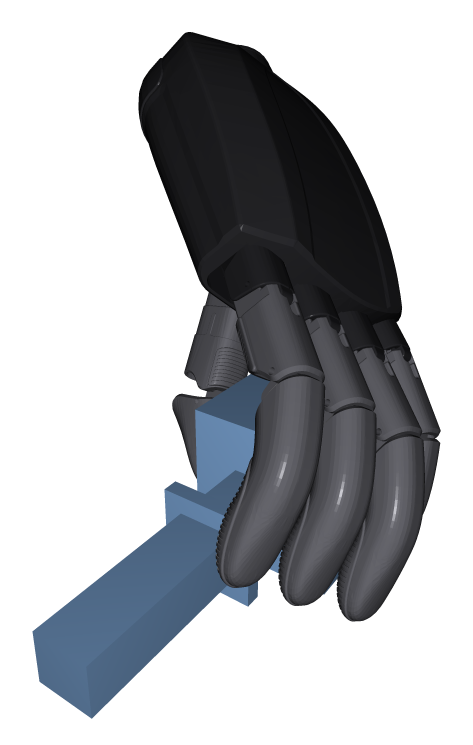
RealHand L6. Planned key grasp.#
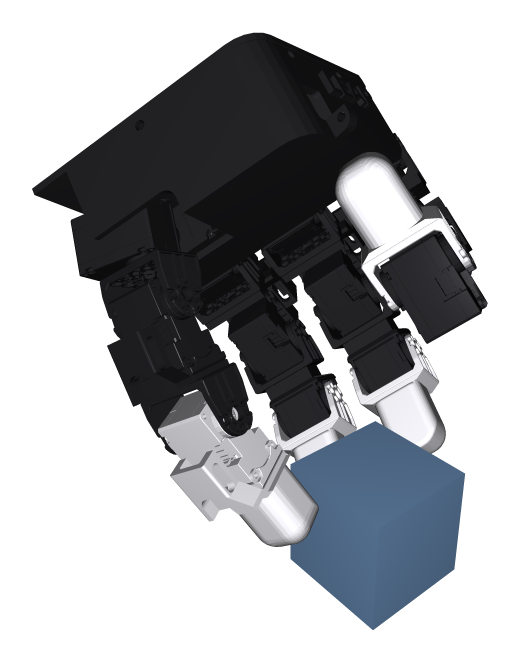
LEAP Hand. Simulated cube hold.#
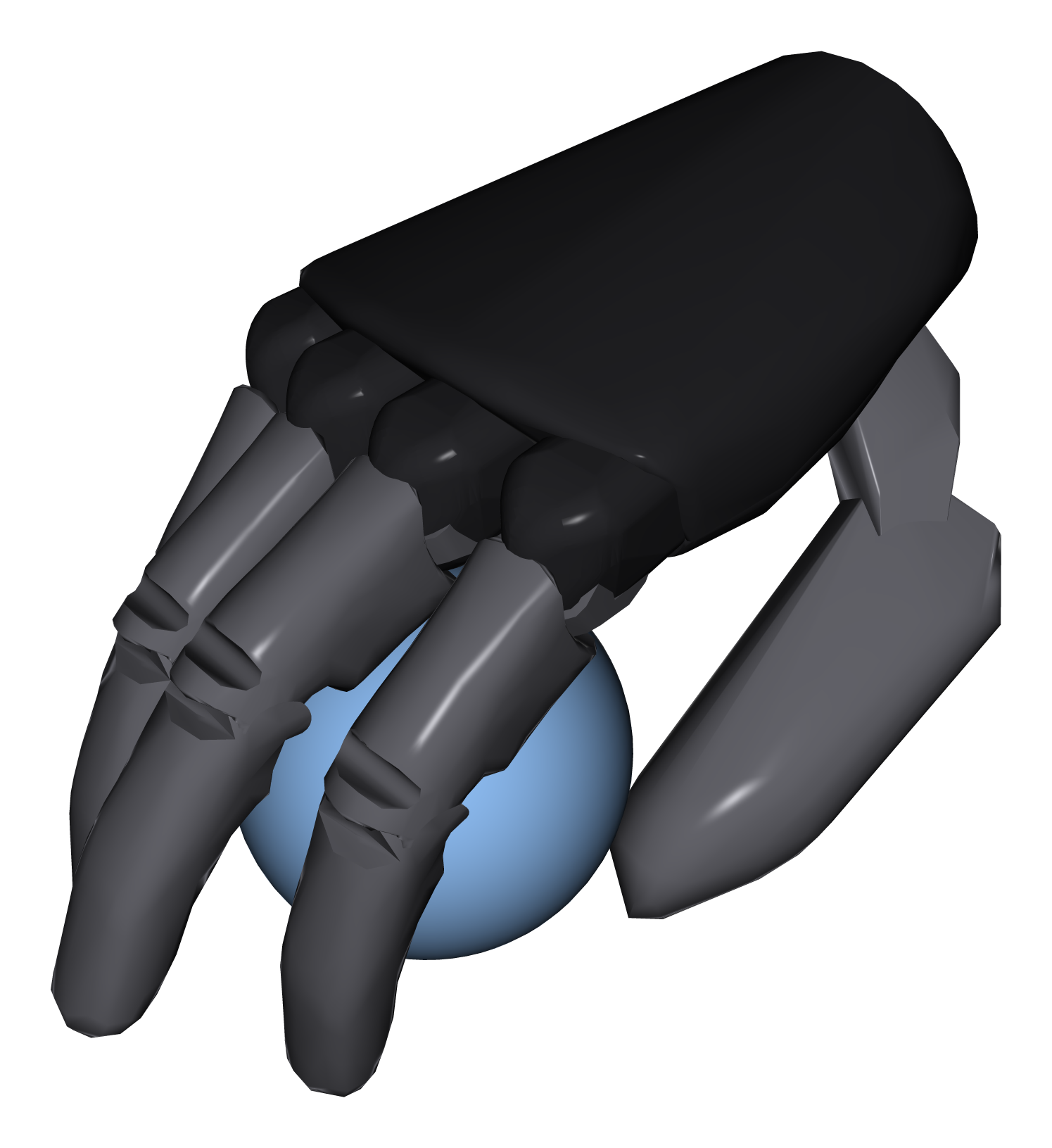
PSYONIC Ability Hand. Simulated sphere hold.#
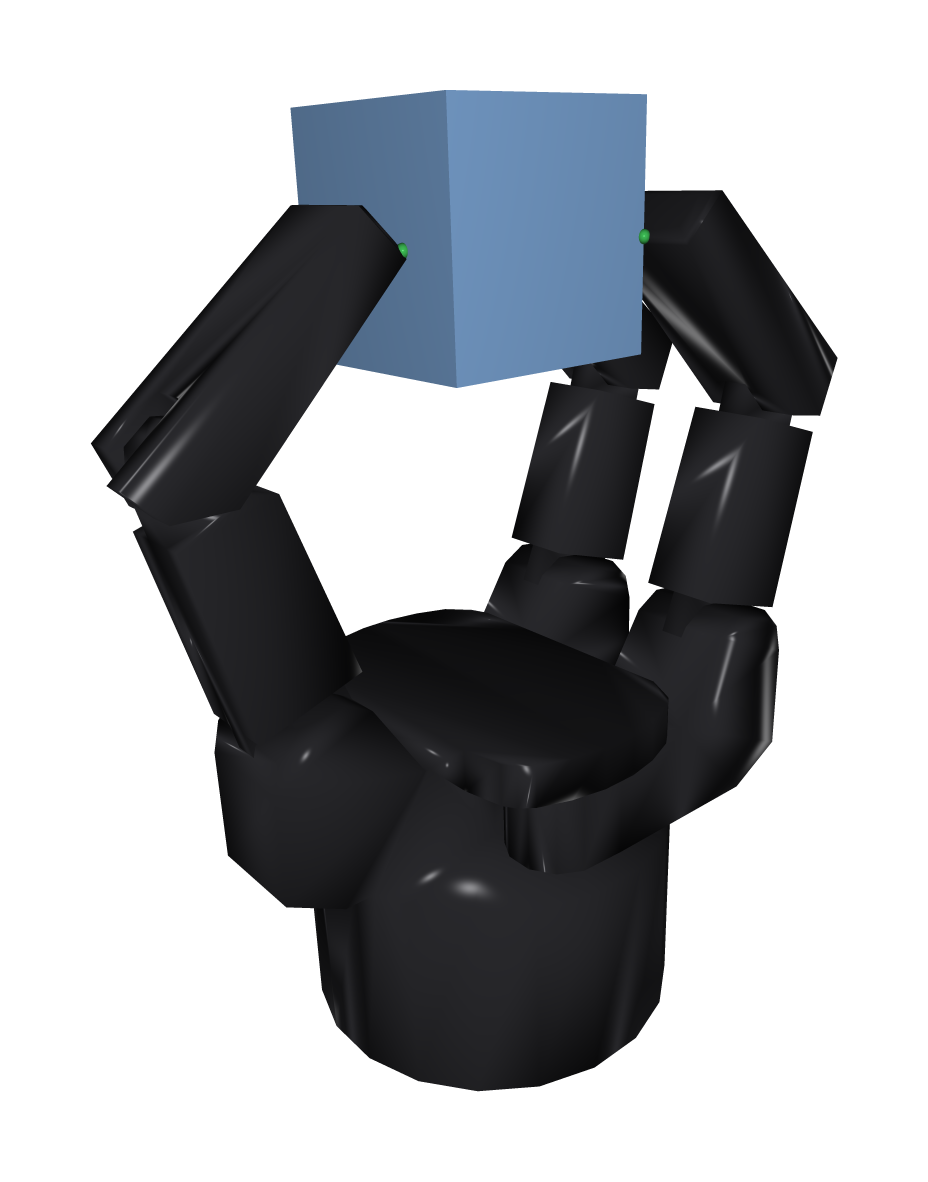
Barrett Hand. Cube grasp.#
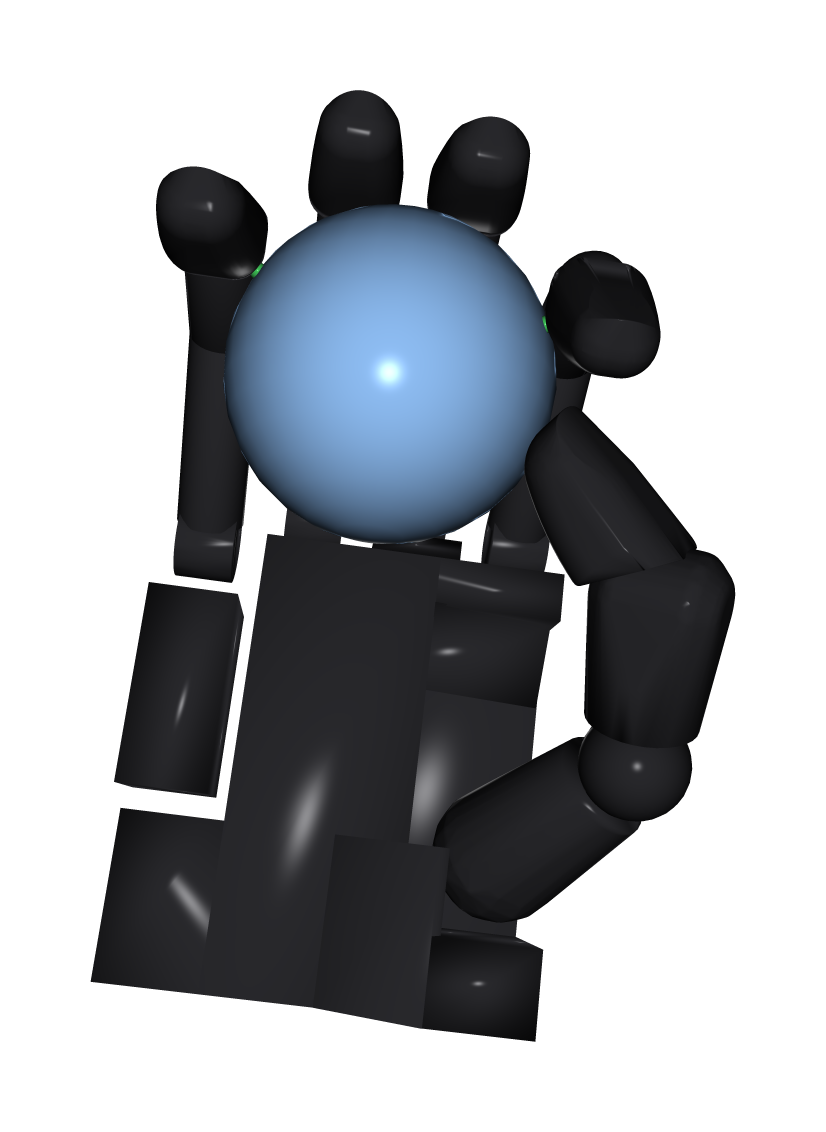
Shadow Hand. Planned sphere grasp.#
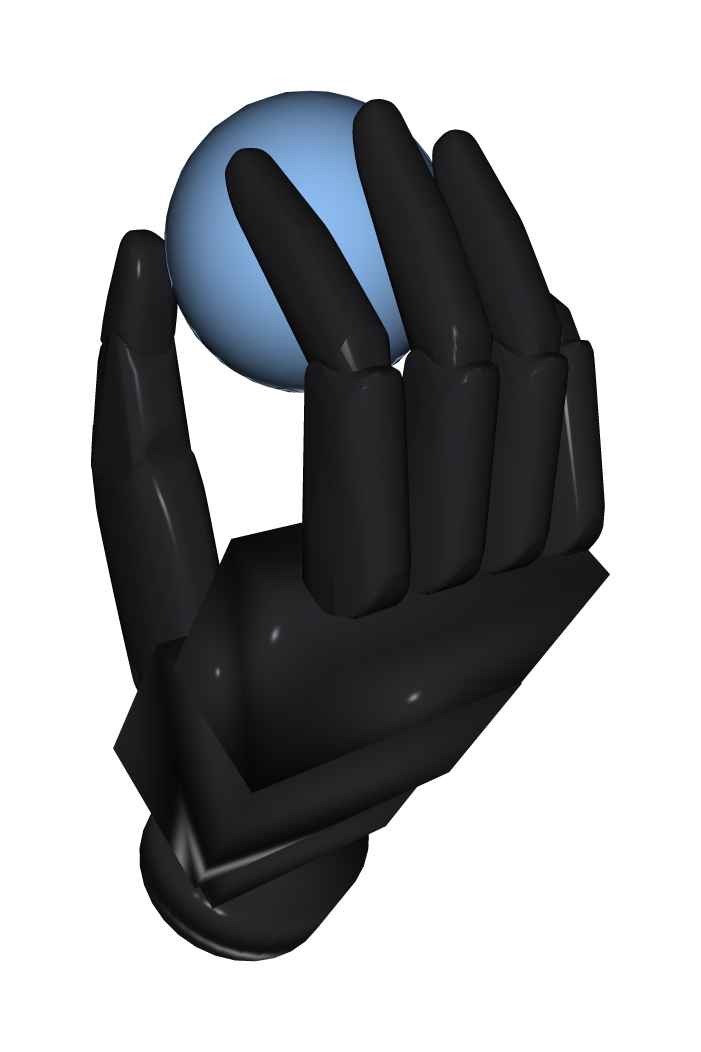
Inspire Hand. Planned sphere grasp.#
Start with Installation and the first-grasp walkthrough. The planning guide explains approach specification, task loading, and the grasp records shown above. The export guide covers model conversion and transfer back to MuJoCo. The theory guide derives the joint mapping and wrench scores used in both guides.
From Models to Grasp Records#
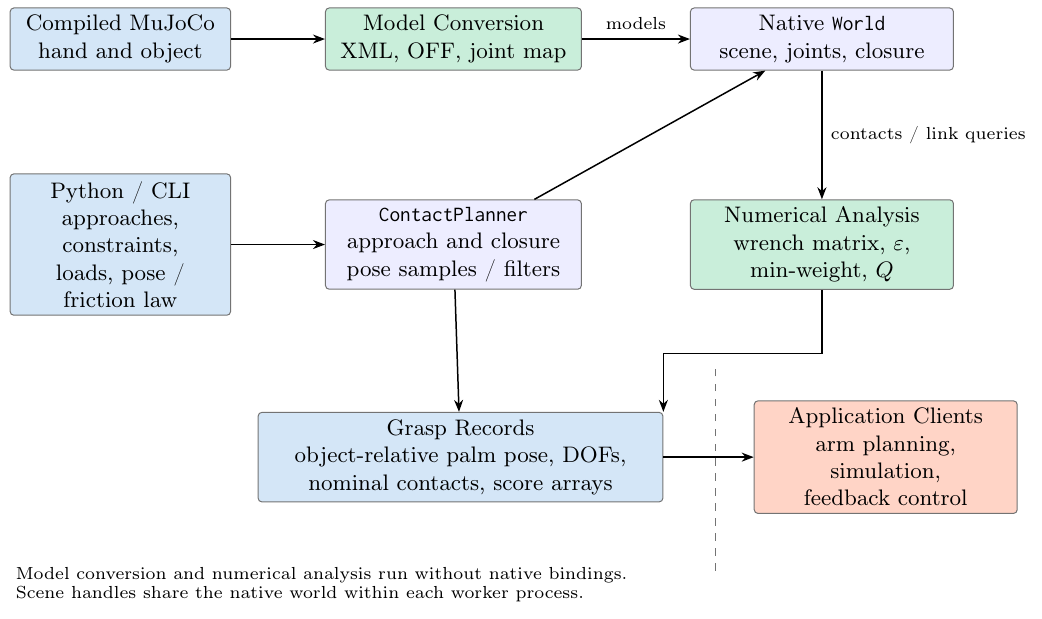
Model conversion supplies geometry and the joint map. Native closure provides contacts, and numerical analysis supplies wrench-quality samples. A grasp record connects the selected command to its nominal contacts and scores. Select the figure for a full-size view.#
The API reference groups the corresponding operations by scene setup, hand state, contacts, and geometry. The theory guide connects their numerical inputs to the contact and wrench models.